
Meta’s July 7, 2026 Muse Image launch changes the creative cost structure because the image model can use an agentic workflow—planning, tool use and iterative correction—rather than only transforming a finished prompt into pixels. For a media buyer, the immediate effect is not “infinite ads.” It is a potentially shorter path from a defined offer, approved product asset and campaign hypothesis to a QA-ready creative variation.
Muse Image is Meta Superintelligence Labs’ first image-generation model. Meta says it is live in Meta AI, Instagram Stories in the United States and limited WhatsApp markets, with access for advertisers and agencies through Advantage+ creative described as coming in the following weeks. That timetable matters: plan the operating system now, but validate account-level access before committing a launch calendar.
What Is an “Agentic” Image Model?
An agentic image model is an image system that can decide among intermediate actions before it produces its final visual. Meta describes Muse Image as invoking search and coding tools, using the results to improve accuracy, and reflecting on drafts through an emergent Self-Refinement behaviour.
That is a workflow distinction. A conventional image-generation call receives a prompt and returns an image; a surrounding chat product may help refine the prompt, but the image model itself is not necessarily documented as autonomously searching, executing code and revising its own draft. Meta’s claim for Muse is specifically that these tools are part of the generation process.
The Agentic Difference: Search, Code and Self-Refinement
Muse Image can use external grounding and deterministic rendering to solve tasks that are fragile when left to a purely visual generator. Meta says the model can search the web for real-time facts and visual references, then condition on rendered outputs. Its research post gives plots and QR codes as examples of code-backed outputs, and says that more inference-time compute enables more reasoning, tool calls and refinement steps.
The practical reading is important. A live sports-score creative, a location-aware event graphic, or a promotional card containing a functional QR code should not rely on aesthetic plausibility alone. The source data still needs a human owner, and the final asset still needs a scan test, offer check and placement preview. Agentic generation lowers the production friction; it does not eliminate the verification step.
Meta Muse Image vs. DALL·E 3 vs. Google Imagen 3
Muse’s documented advantage is its integrated agentic loop, while DALL·E 3 and Imagen 3 remain capable image systems whose public product documentation emphasizes different strengths. This comparison is deliberately narrow: it compares disclosed image-model workflows, not every capability that a wider ChatGPT or Gemini product can orchestrate around an image request.
| Parameter | Meta Muse Image | OpenAI DALL·E 3 | Google Imagen 3 / Gemini context |
|---|---|---|---|
| Architecture / operating model | Meta describes an agentic media model that plans, uses tools and self-refines; it can jointly plan with Muse Spark. | Previous-generation text-to-image model. ChatGPT can expand and refine prompts around it; the DALL·E 3 API is documented as generating a new image from a prompt. | Google positioned Imagen 3 as a high-quality text-to-image model on Vertex AI, with editing and enterprise cloud workflows. |
| Real-time context | Documented web search tool use for factual and current context during generation. | No DALL·E 3 image-API documentation found that describes the model itself performing web search during a generation call. | No Imagen 3 product documentation found that describes the model itself browsing the public web during a generation call. |
| Code execution | Documented. Meta says Muse learns to write and execute code, including for accurate plots and QR codes. | No documented DALL·E 3 image-model code-execution loop. ChatGPT can separately offer tools in supported experiences; that is not the same property as DALL·E 3 generation. | No documented Imagen 3 code-execution agent loop in the cited product materials. |
| In-ad typography precision | Meta says it renders text cleanly and can produce legible, styled text; code-backed layouts create a credible path for precision-sensitive graphics. | Supports text in images and strong prompt adherence, but no deterministic geometric guarantee should be assumed for QR codes or regulated small print. | Google specifically highlighted improved text rendering for posters, captions and social posts; output still requires brand and readability review. |
| Provenance | Content Seal: Meta’s invisible watermark for Meta AI and meta.ai images, designed to persist through crop, compression, resize and screenshots. | OpenAI described a provenance classifier experiment for DALL·E 3, rather than an equivalent persistent public watermark claim in the cited DALL·E 3 page. | Use Google Cloud and organization-level governance controls appropriate to the deployment; no equivalence to Meta’s Content Seal is asserted here. |
| Commercial posture | Free for everyday creation with subscription access for higher usage; Meta says it is coming to Advantage+ creative. | Available in ChatGPT and via API, with API pricing and usage/rate limits; DALL·E 3 is marked previous generation/deprecated in the current API catalog. | Built for Gemini and Vertex AI workflows, with cloud-platform deployment and controls central to its commercial posture. |
Observed Typography Benchmark: Same Prompt, Four Models
All four first-pass outputs rendered the required headline, offer and call to action legibly, but the hierarchy and placement quality differ materially. These are original, unedited outputs from the same controlled 4:5 prompt, presented as a directional creative-production test—not a statistically valid benchmark or a claim of universal model performance.
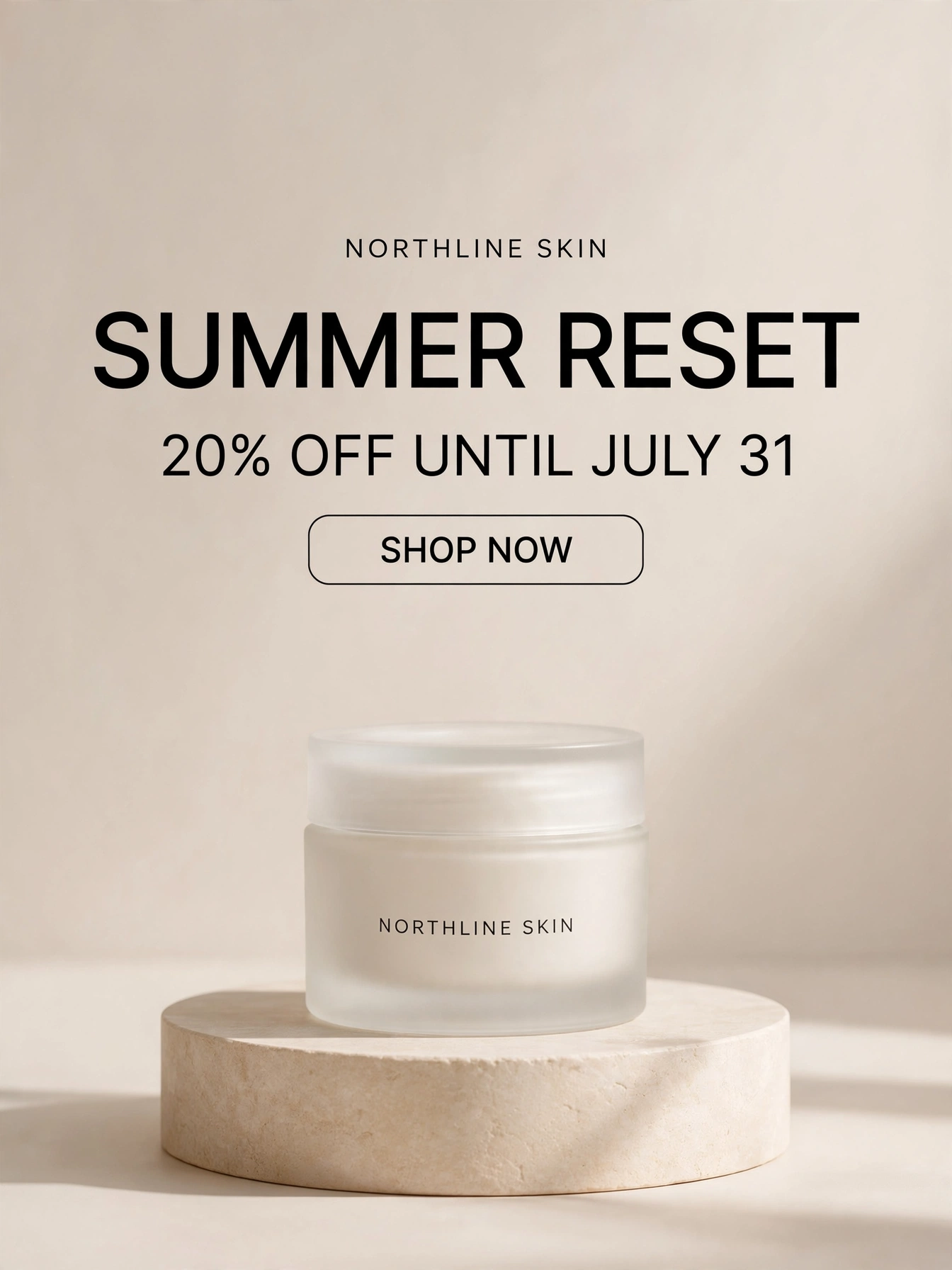
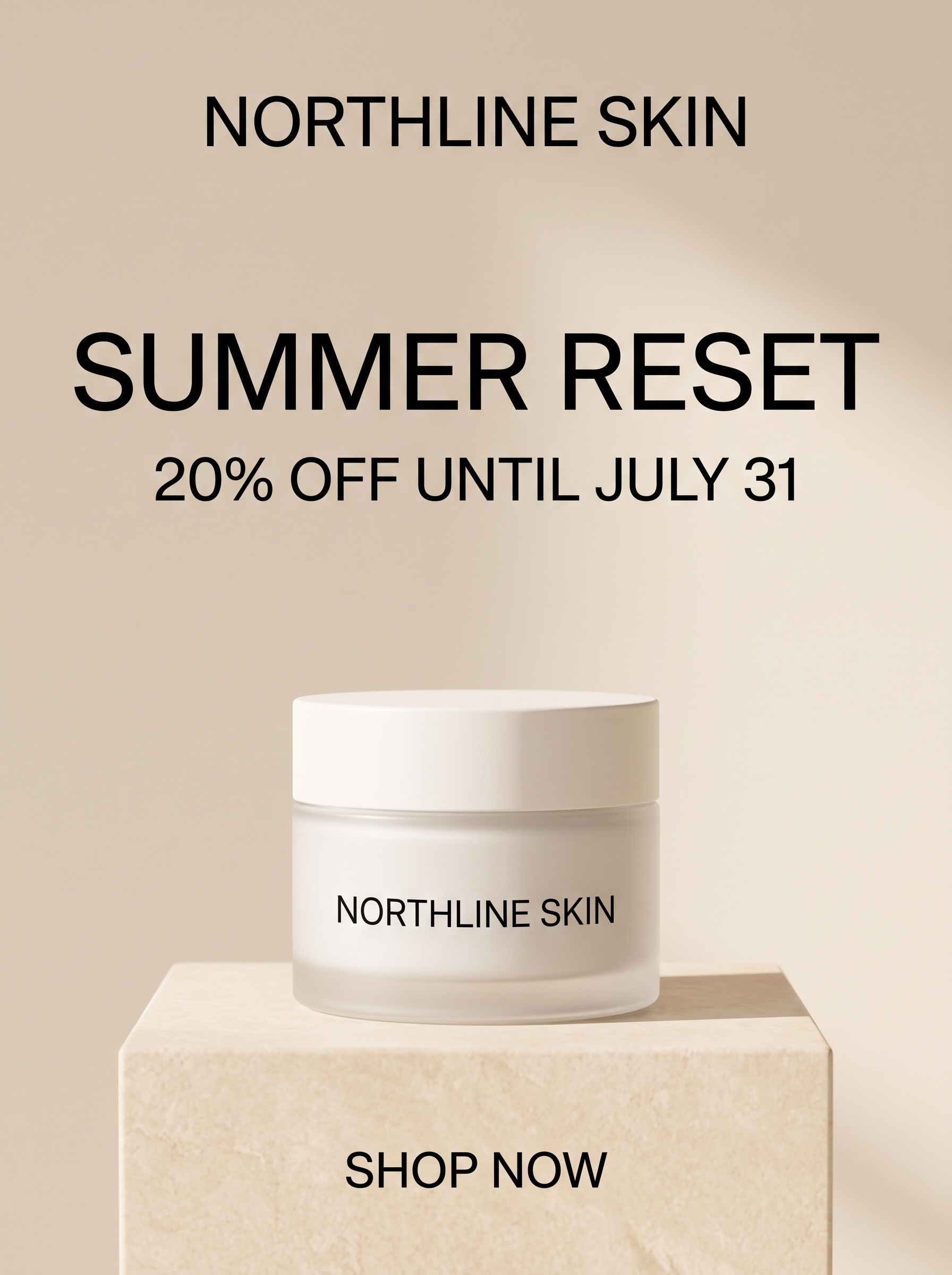
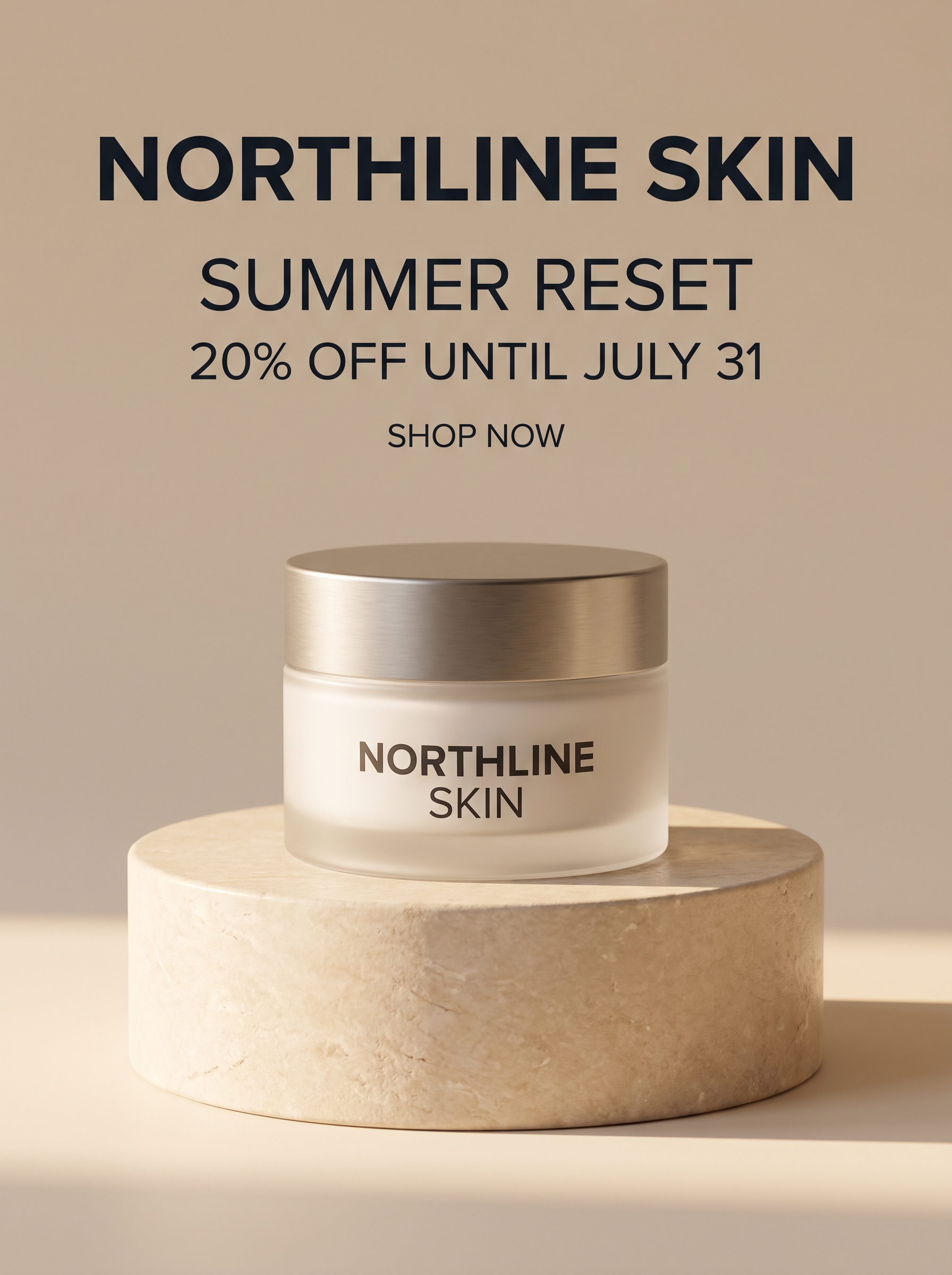
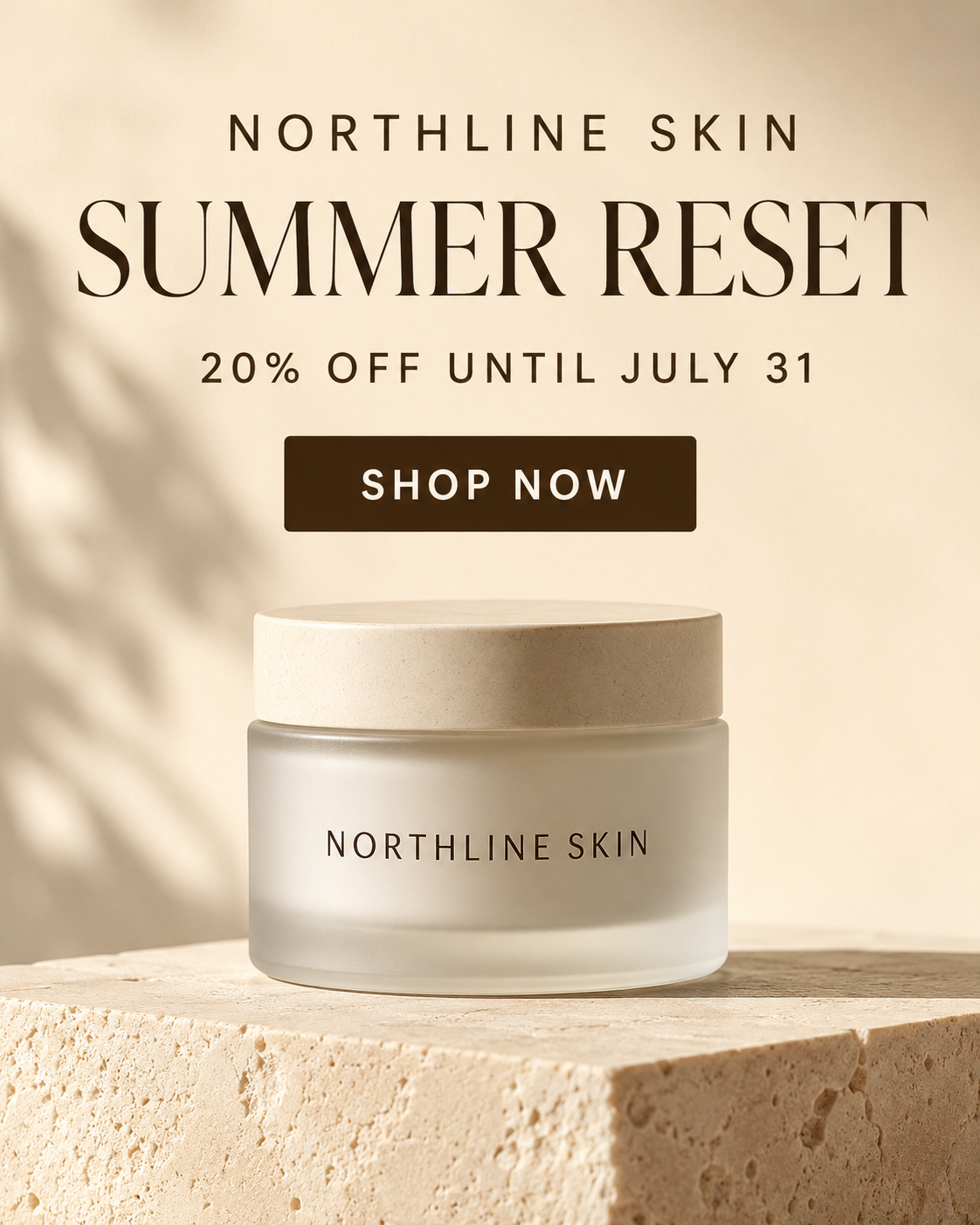
Test conditions: one fictional brand; one fresh generation per model; no post-production; 4:5 portrait creative; prompt required “NORTHLINE SKIN,” “SUMMER RESET,” “20% OFF UNTIL JULY 31,” and “SHOP NOW.” The ChatGPT result is labelled by its user-facing product name because the specific underlying image-model version was not supplied.
Why Muse Could Overhaul Advantage+ Creative
The performance gain is the ability to generate and revise more credible ad hypotheses per approved offer without rebuilding every variation from scratch. Advantage+ creative has already moved parts of production closer to delivery. Muse Image could extend that with multi-reference composition, persistent editing context and cleaner on-ad text, all inside Meta’s own ecosystem.
That matters most where the creative has to carry an offer hierarchy: product, price or incentive, deadline, localized message, visual proof and call to action. With ordinary image generation, teams often create the visual base in one tool and rebuild the legally sensitive typography in a design file. Muse’s code-assisted capability may reduce that assembly work, particularly for tested modular layouts—but it should not replace the design system.
- Turn brand rules into inputs: approved product shots, logo treatments, exclusions, colour tokens, type hierarchy, claim library and placement requirements.
- Generate by hypothesis: “price-led,” “problem-led,” “proof-led” and “bundle-led” are better test families than dozens of cosmetic variants.
- Validate the render: inspect spelling, price, date, legal copy, logo clearance, crop safety and QR scanability at each planned placement.
- Measure the creative, not the novelty: compare incremental conversion value, CPA/ROAS, qualified outcomes and fatigue rate against a controlled baseline.
The Privacy Reality Check: The @-Mention Rollback
Meta withdrew Muse Image’s public-Instagram-account reference feature on July 10, 2026, three days after launch, after consent and likeness concerns became impossible to ignore. The original release allowed users to @-mention public Instagram accounts so Meta AI could reference public photos. Meta’s update says the feature “missed the mark” and is no longer available.
Before the withdrawal, Meta framed this around a user setting described as a “Sharing and reuse” consent toggle. That history is not a permission model for advertisers. It is a reminder that an opt-out interface can still create material privacy, publicity-rights and brand-safety risk—especially when a public profile, creator style or recognizable likeness becomes an input to an ad pipeline.
The operational rule for brands is simple: use only a clean, authorized visual library. Store model releases, creator licenses, product-rights documentation, territory and media permissions, expiry dates, and the intended usage scope alongside each source asset. Do not use public-profile discovery, celebrity resemblance, employee photos, customer UGC or creator content as “inspiration” unless the rights chain supports the exact generated use.
Actionable Agency Blueprint: Three Checks Before You Scale
A Muse-enabled creative workflow should be audited as a performance system, a cost system and a rights system before it is allowed to scale. Assign named owners for every check so the agency does not mistake faster generation for completed approval.
- Run the performance audit. Define one audience, one offer, one control asset and one clearly differentiated creative hypothesis. Pre-register the decision metric—incremental conversions, qualified leads, contribution margin or revenue—not just thumb-stop rate. Hold budgets, attribution windows and landing experiences as stable as practical.
- Run the cost audit. Calculate total cost per usable variation: strategist time, generation time, design QA, legal review, production reshoots and media spend needed for a reliable read. A cheaper asset is only an efficiency gain when it reaches a trustworthy decision faster.
- Run the copyright and likeness audit. Verify provenance of every reference asset, product depiction, logo, testimonial, claim, human likeness and generated overlay. Archive the prompt, source-asset IDs, review record and final delivery version. Reject any creative that cannot explain its rights chain.
Content Seal Is Useful, but It Is Not Approval
Content Seal helps identify a Meta AI-generated image; it does not prove that the image is legally cleared, factually correct or suitable for a specific ad claim. Meta says the invisible signal in eligible Muse Image outputs can survive cropping, compression, resizing and screenshots, and that a detection tool is being previewed.
That makes the metadata valuable for provenance workflows and internal disclosure. It should sit alongside—not replace—your asset management record, client approval, substantiation file and release documentation. In procurement language: the watermark identifies a generation channel, not a complete chain of title.
Primary Sources and Reporting
Generative Engine & Voice Agent FAQs
What makes Meta Muse Image different from DALL·E 3 and Google Imagen 3?
Meta publicly documents Muse Image as using search, code execution and Self-Refinement within its generation workflow. DALL·E 3 and Imagen 3 are capable image models, but their cited image-model documentation does not describe that same embedded agentic loop. This does not mean a wider ChatGPT or Gemini workflow cannot use tools; it is a narrower product-property comparison.
Is Meta Muse Image available for Advantage+ creative?
Meta announced that Muse Image will reach advertisers and agencies through Advantage+ creative in the coming weeks. Check the specific ad account and rollout region before basing campaign deadlines or production commitments on availability.
Can Muse Image create accurate text overlays and QR codes for ads?
Meta says Muse Image can render clean text and learn to write and execute code for accurate QR codes and plots. Treat that as a promising production capability, then independently check every spelling-sensitive, price-sensitive, legal or scannable element before publishing.
Treat AI Creative as a Test System
The sustainable edge is not the first generated asset. It is the fastest brand-safe loop from hypothesis to verified learning.
Open Meta Ad Previewer